What actually happens during a hair transplant
August 2026 · 3 min read
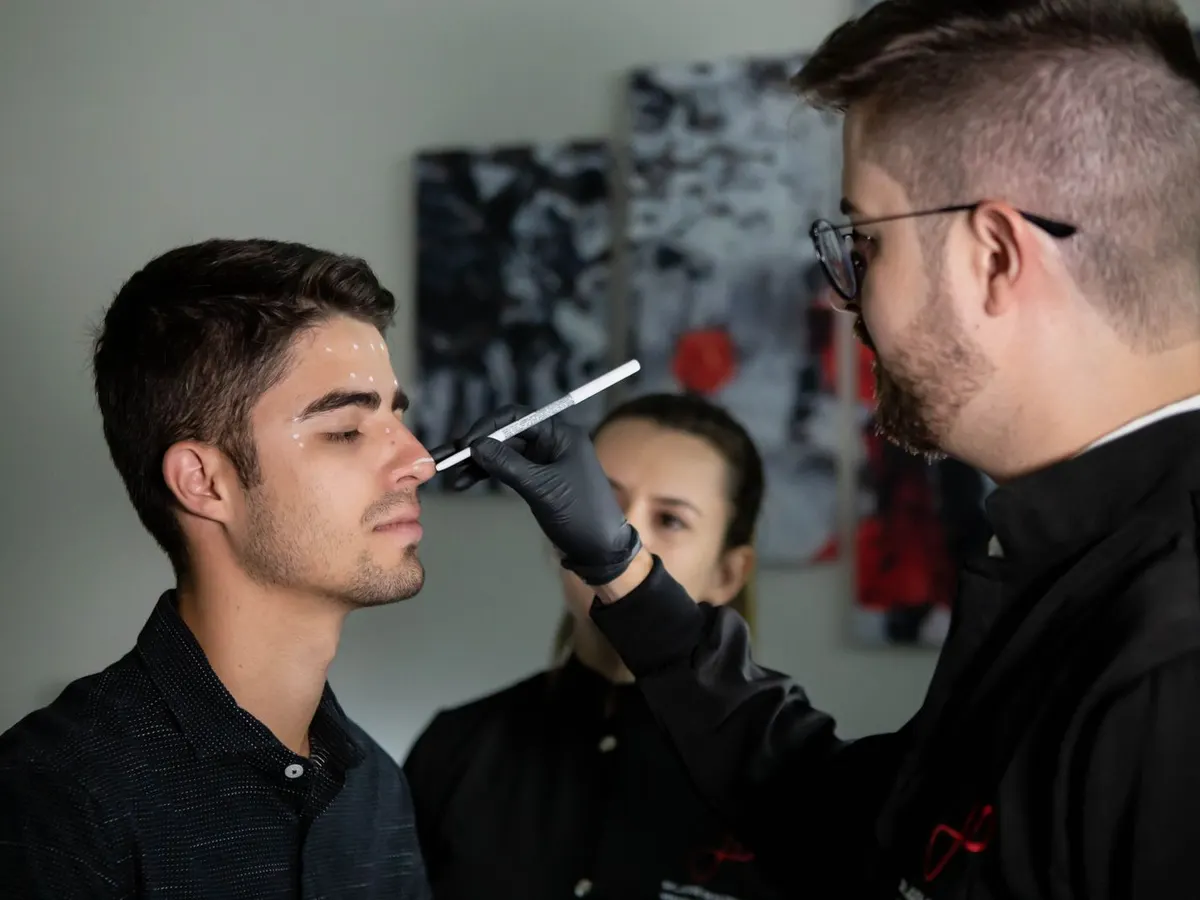
Most people arrive having already decided they want a transplant, and are surprised that the first visit does not involve one. Nothing is transplanted on the day you first walk in. That visit exists to work out whether a transplant will help you, and if so, how much hair there is to work with.
What gets measured
The back and sides of the scalp are the donor area. Hair there is generally not sensitive to the hormone that causes male pattern loss, which is why it keeps growing when the crown does not, and why it carries on growing after it is moved. Everything depends on how much of it you have.
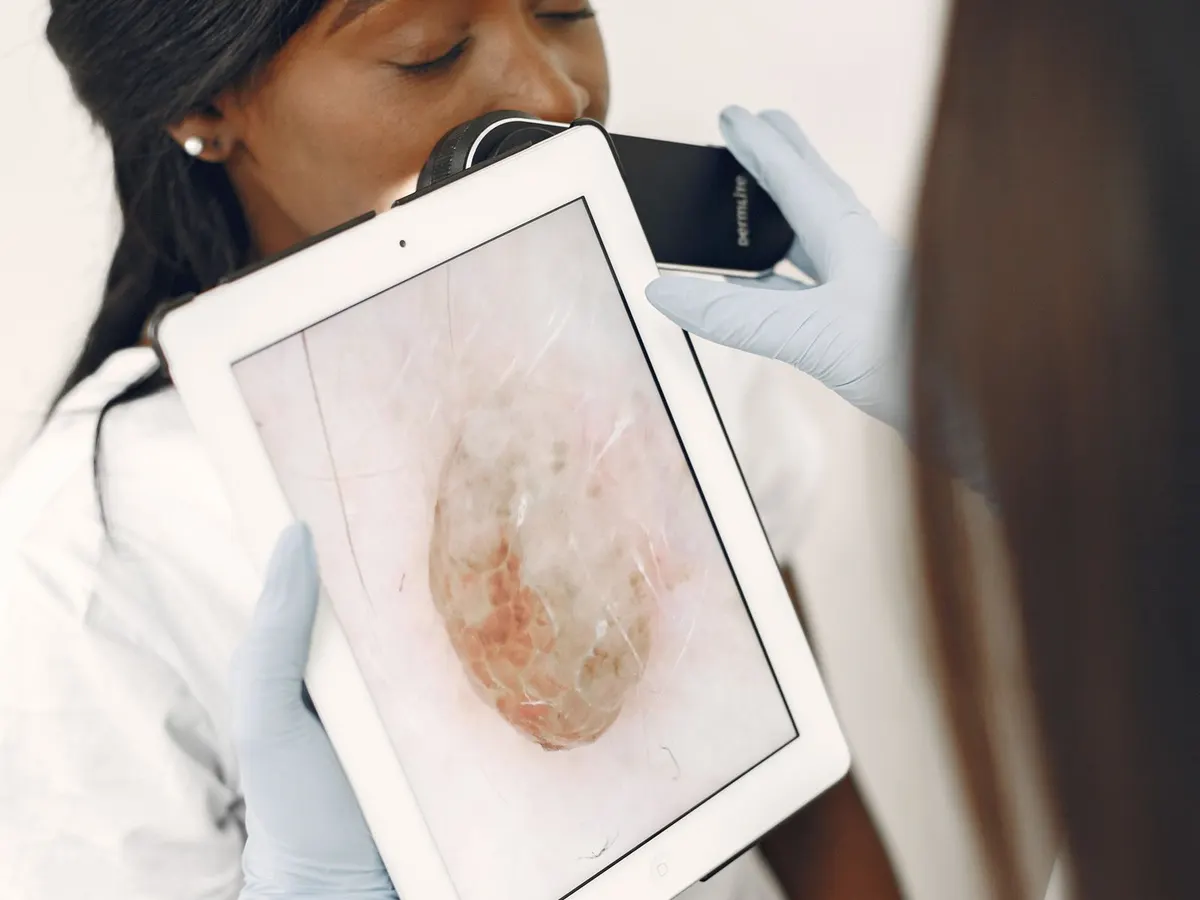
So the assessment counts follicles per square centimetre in the donor area, maps the pattern and stage of the loss, and looks at whether the loss is still advancing. A good donor area with early loss is a straightforward case. A thin donor area with advanced loss may mean a transplant is not worth doing, and you should be told that plainly rather than sold a session.
Why the loss has to have settled
Transplanted hair keeps growing. The hair around it may not. If you are still actively losing hair and we fill in a hairline today, in three years you can end up with a transplanted front and a thinned area behind it, which looks stranger than the original loss did. This is the most common reason to wait, and often the most unwelcome thing to hear.
Medical treatment usually comes first, both to slow the loss and to show us how the scalp responds over several months.
The day itself
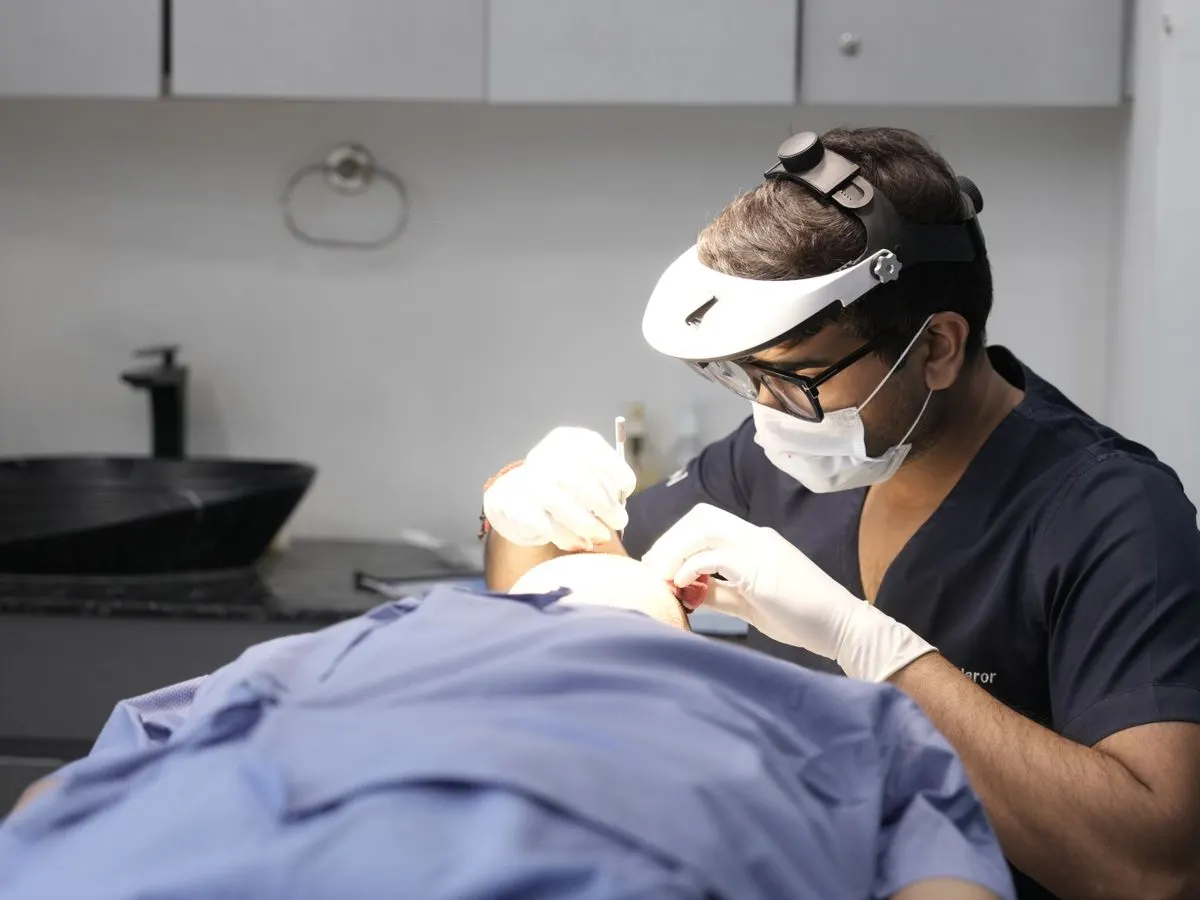
A session takes most of a day. You are awake throughout, under local anaesthetic. Follicles are removed individually from the donor area, sorted, and placed one at a time along the planned hairline and crown. The placing is the slow part, and it is the part that decides whether the result looks like hair or like a doll.
Angle and direction matter more than sheer density. Hair does not grow straight out of the scalp; it leaves at a shallow angle that changes across the head. Grafts placed at the wrong angle read as artificial even when the count is right.
Afterwards
- The transplanted hairs fall out within two to four weeks. This is expected, and it alarms almost everyone.
- New growth starts around the third or fourth month.
- The real result is at nine to twelve months. Judging it before then tells you very little.
- The donor area itself heals in under two weeks.
If you take one thing from this: the timeline is long, and an honest clinic will tell you that before taking your money rather than after.