How laser treatment actually works
June 2026 · 2 min read
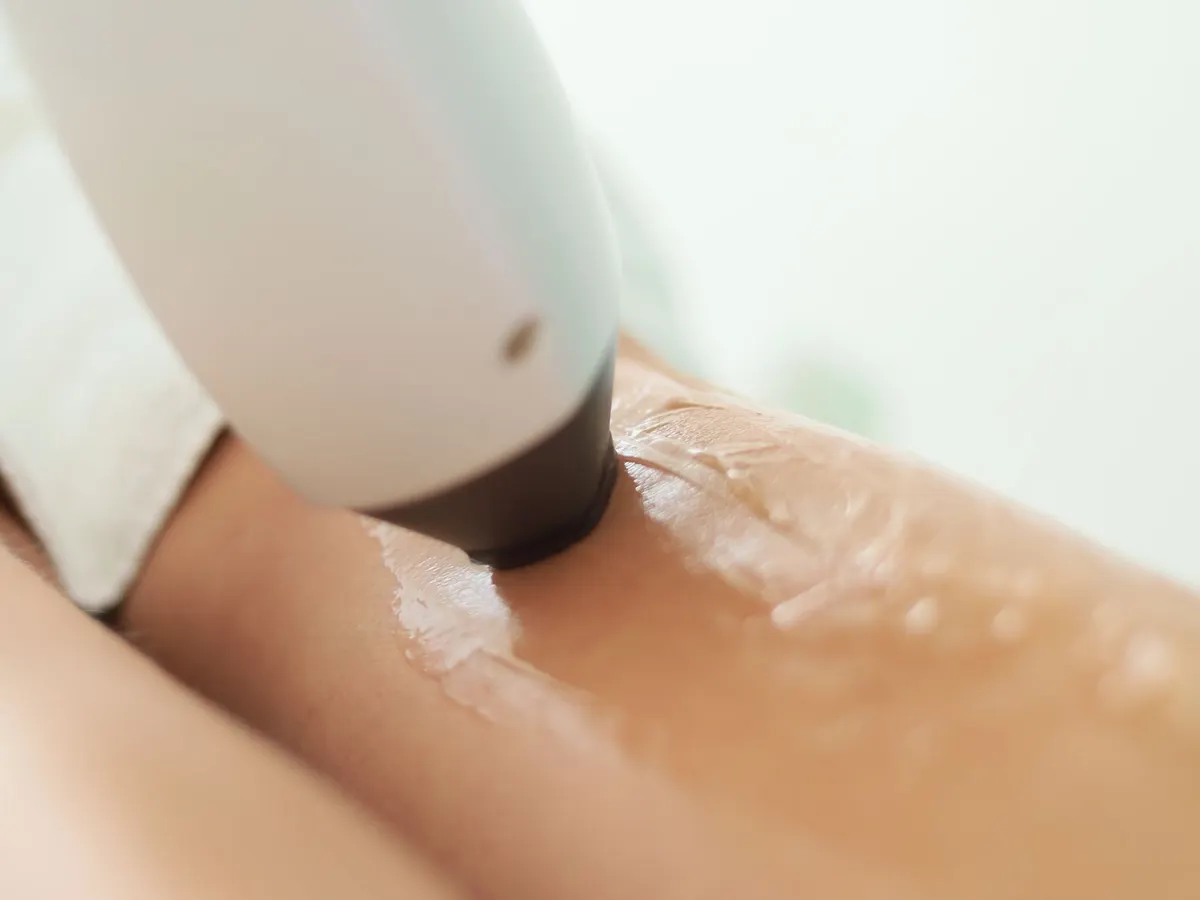
Laser is used loosely enough in advertising that it has stopped meaning much. It is worth understanding the actual mechanism, because it explains both what these machines can do and where the risks sit.
Selective absorption
Different substances in skin absorb different wavelengths of light. Melanin, the pigment in hair and in the skin itself, absorbs strongly at some wavelengths. Haemoglobin in blood vessels absorbs at others. Water at others again.
A laser emits one wavelength. Choose the wavelength your target absorbs and surrounding tissue does not, and the energy is deposited in the target while passing through everything else. The pigment in a hair follicle heats enough to disable it while the skin around it stays cool.
That selectivity is the entire principle. It is also why one word ends up covering machines that do completely different jobs.
Why brown skin changes the calculation
The complication is that melanin is the target in hair removal and also the thing giving skin its colour. In darker skin there is more melanin in the surrounding tissue competing for the same light, so more energy is absorbed where you do not want it.
That is a real risk of burns and of pigment changes. It is managed by choosing wavelengths that penetrate past the surface, using longer pulse durations, and testing conservative settings on a small area first. It is not managed by running the same settings faster.
Why it takes a course
Hair grows in cycles, and follicles are only vulnerable during the active growth phase. At any moment only a portion of the hair in an area is in that phase, so one session treats only that portion. Sessions are spaced weeks apart to catch the rest as they cycle through.
Anyone promising permanent removal in a single session is describing something that is not how hair grows.
Reduction is the realistic outcome, not elimination. Most people see substantially less hair, finer where it does return, and maintenance sessions after the initial course.